Khidr Elias Day: Kurdish Spring Traditions and Wishes
Admin
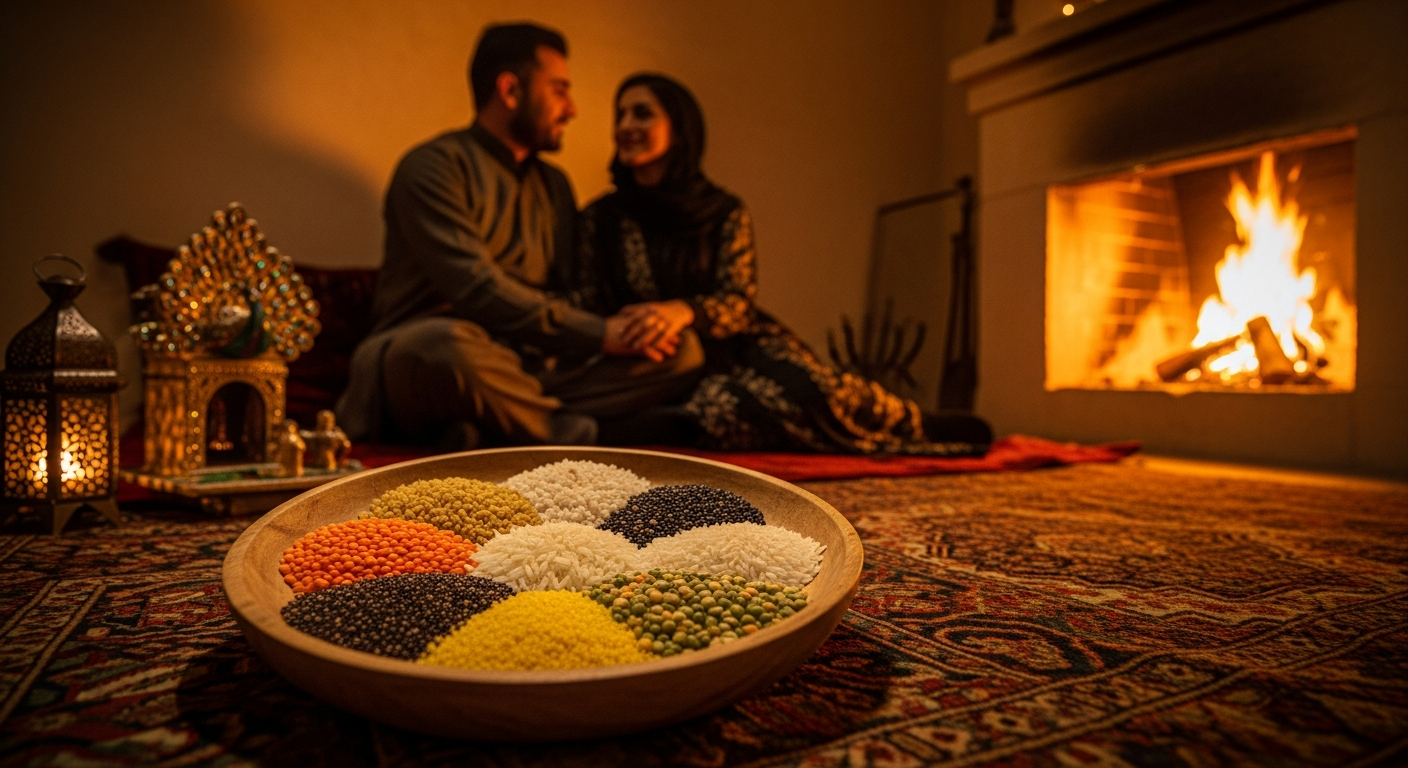
Khidr Elias Day is one of the most cherished seasonal celebrations in Kurdish culture, marking a time of renewal, abundance, and heartfelt wishes. Known locally as Xidir Elyas or Hıdırellez depending on the region, this ancient festival brings communities together to welcome the warmth of spring and pray for good fortune in the coming year.
For young singles across the global diaspora, Khidr Elias Day holds a special place in the heart because it is deeply tied to romantic destiny. Similar to finding love in the Kurdish spring, this holiday invites us to look forward to new beginnings, open our hearts to prospective partners, and honor the rich heritage passed down through generations.
What Is Khidr Elias Day?
Khidr Elias Day honours two revered spiritual figures—Khidr (Xidir), who represents greenness, growth, and divine aid, and Elias (Elyas), the protector of water and livestock. According to folk belief, these two patrons meet on earth once a year to awaken nature from its winter slumber.
Depending on community traditions and regional calendars, the timing of the holiday varies. Among Alevi and Ezidi Kurdish communities, Xidir Elyas is often observed in mid-February after three days of fasting. In other regions, particularly across Anatolia and the Levant, it is celebrated on the night of May 5th into May 6th as Hıdırellez. Despite variations in timing, the core spirit remains universal: honoring nature's awakening, offering hospitality, and expressing wishes for health, prosperity, and love.
Traditional Wishes for Love and Marriage
One of the most captivating aspects of Khidr Elias Day is its emphasis on romantic premonitions and manifesting a life partner. Kurdish folklore is filled with charming rituals designed to reveal who your future spouse might be.
- The Salty Bread Ritual (Gortik or Qewut): On the eve of the holiday, young unmarried men and women eat a piece of very salty bread before sleeping, without drinking any water afterward. It is believed that the person who brings you water in your dreams that night is destined to be your future spouse.
- Wishing Trees and Ribbons: People tie small pieces of cloth or colorful ribbons to the branches of a tree near a stream or spring while whispering their deepest desires for marriage and family.
- Drawing Symbols under Rose Bushes: In many households, singles draw small symbols of their goals—such as a ring, a house, or a cradle—in the soil beneath a rose bush, or leave written notes wrapped in foil near natural water sources overnight.
These practices serve as a poetic reminder that searching for a soulmate is a journey shared by generations of young Kurds.
How Kurdish Families Celebrate Xidir Elyas Today
Today, Kurdish families both in the homeland and in the diaspora adapt these ancient customs to modern life while keeping their core values intact. Gathering with family and sharing food remains central to the holiday.
Special dishes are prepared to mark the occasion, often highlighting grains, wild spring herbs, and dairy products. Preparing meals together offers an opportunity to connect across generations, sharing stories of past celebrations over rich spreads of traditional foods. You can explore more about how food brings loved ones together in our guide to Kurdish culinary traditions.
Beyond meals, families clean their homes thoroughly to welcome Xidir's blessing, leave doors slightly ajar, and set out small bowls of flour or roasted wheat (qewut) overnight, looking for marks left by Xidir's horse as a sign of incoming luck.
Manifesting Love in the Modern Kurdish Diaspora
While symbolic rituals like salty bread and written wishes add magic to spring, taking active steps toward finding a compatible partner is equally important for today's singles. Honoring heritage does not mean waiting passively for destiny—it means bringing your authentic self to the table.
If your wish this season is to meet someone who shares your cultural background, respect for elders, and vision for the future, modern technology can bridge the distance. Understanding Kurdish wedding traditions and cultural values gives you a strong foundation as you search for a partner who values your shared identity.
FAQ
When is Khidr Elias Day celebrated?
Khidr Elias Day is celebrated at different times depending on regional and religious traditions. Ezidi and Alevi Kurdish communities typically observe Xidir Elyas in mid-February following a period of fasting, whereas many Sunni and regional communities celebrate it on May 5th and 6th as part of the spring Hıdırellez festivities.
What is the tradition of salty bread on Khidr Elias?
Unmarried singles eat a small piece of highly salted dough or bread late at night before sleeping without drinking water. Legend holds that the person who offers them a glass of water in their dream that night will become their future husband or wife.
How can young Kurds abroad mark Khidr Elias Day?
You can observe Khidr Elias Day anywhere in the world by making a traditional dish like qewut, writing down your personal goals and wishes for the year, spending time outdoors in nature, and reaching out to family members to share festive greetings.
Conclusion
Khidr Elias Day reminds us that every spring carries the promise of growth, joy, and meaningful human connection. Whether you are tying a ribbon to a tree or hoping for a sign in your dreams, taking practical steps toward love is the best way to make your wishes come true.
Are you ready to find someone who understands your values and traditions? Join Memuzin today to connect with like-minded Kurdish singles worldwide and start your next chapter together.